Tradeasia - Leading Chemical Supplier 🔍 🌐
CAREER

>

>

Soda Ash Light (99,2%) - China

Soda Ash Light (99,2%) - China in Tradeasia

IUPAC Name

Disodium Carbonate

Cas Number

497-19-8

HS Code

2836.20.00

Formula

Na2CO3

Basic Info

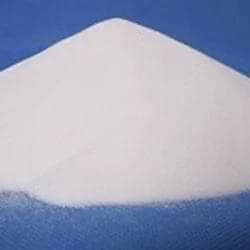
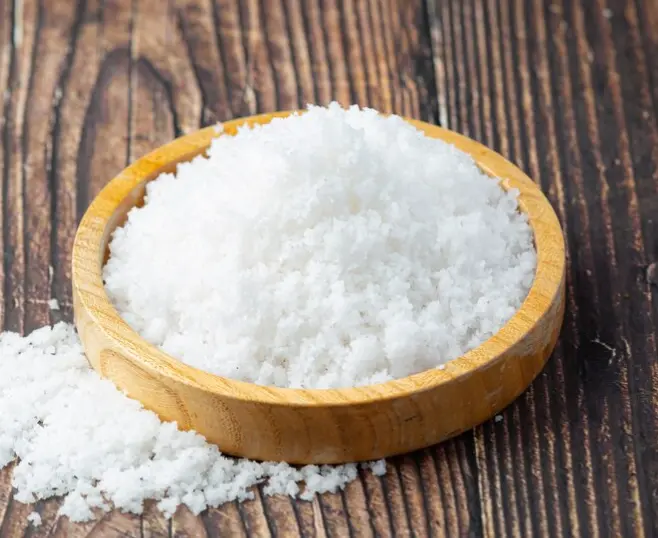
Appearance

White Crystal Powder

Common Names

Soda Ash Light

Packaging

40 kg PP/PE bags

Brief Overview

Soda ash is available in three different grades, namely dense soda ash, light soda ash, and washing soda. Soda ash light is also called an anhydrous sodium carbonate with the chemical formula Na2CO3. It is a white, odorless granular powder soluble in water and forms a strongly alkaline aqueous solution. It is also hygroscopic and absorbs moisture from the atmosphere, causing it to clump together. It exists mainly in its monohydrate form but in the decahydrate and heptahydrate forms.

Soda ash light sources spontaneously form from sodium deposits, and sodium deposits have undergone long-term geological processes such as igneous rock erosion, sodium sediment transport, and chemical reactions. Under weathering, sodium deposits are first released from igneous rocks. Then they were washed off, flowed down, and collected in the basin. When exposed to carbon dioxide, it produces soda ash.

Manufacturing Process

Solvay Process

In 1861, Belgian chemist Ernest Solvay developed the Solvay process, a more efficient method to convert sodium chloride to soda ash light. In the Solvay process, ammonia reacts with sodium chloride with the aid of calcium carbonate. Sodium bicarbonate is produced, and it is then heated and converted to soda ash light.

Hou Process

In 1930, Chinese chemist Hou Debang developed the Hou process. In this process, carbon dioxide is pumped through a saturated solution of sodium chloride and ammonia to form sodium bicarbonate. The precipitated sodium bicarbonate is then heated, yielding pure soda ash. The Hou process is a modified version of the Solvay process, and the commonly used method is still the Solvay process.

Brief Overview

Soda ash is available in three different grades, namely dense soda ash, light soda ash, and washing soda. Soda ash light is also called an anhydrous sodium carbonate with the chemical formula Na2CO3. It is a white, odorless granular powder soluble in water and forms a strongly alkaline aqueous solution. It is also hygroscopic and absorbs moisture from the atmosphere, causing it to clump together. It exists mainly in its monohydrate form but in the decahydrate and heptahydrate forms.

Soda ash light sources spontaneously form from sodium deposits, and sodium deposits have undergone long-term geological processes such as igneous rock erosion, sodium sediment transport, and chemical reactions. Under weathering, sodium deposits are first released from igneous rocks. Then they were washed off, flowed down, and collected in the basin. When exposed to carbon dioxide, it produces soda ash.

Manufacturing Process

Solvay Process

In 1861, Belgian chemist Ernest Solvay developed the Solvay process, a more efficient method to convert sodium chloride to soda ash light. In the Solvay process, ammonia reacts with sodium chloride with the aid of calcium carbonate. Sodium bicarbonate is produced, and it is then heated and converted to soda ash light.

Hou Process

In 1930, Chinese chemist Hou Debang developed the Hou process. In this process, carbon dioxide is pumped through a saturated solution of sodium chloride and ammonia to form sodium bicarbonate. The precipitated sodium bicarbonate is then heated, yielding pure soda ash. The Hou process is a modified version of the Solvay process, and the commonly used method is still the Solvay process.

Related Products

+